
Learn More About CVI
What is Cerebral Visual Impairment (CVI)?
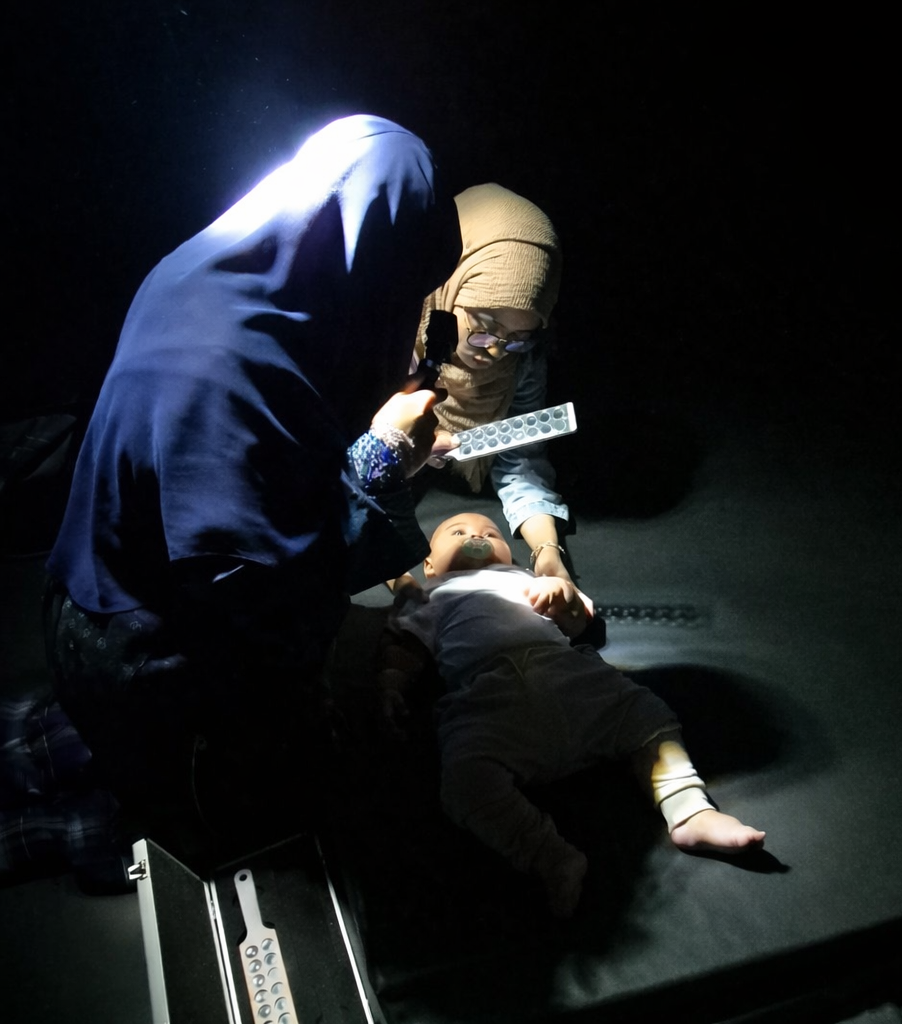
Cerebral or Cortical Visual Impairment (CVI) is a brain-based visual impairment caused by damage or disruption to the visual processing areas of the brain.
Unlike traditional visual impairments that affect the eyes, CVI affects how the brain interprets visual information.
CVI is now recognised as one of the leading causes of childhood visual impairment in developed countries [Ref 1].
Children with CVI may have healthy eyes, but their brain has difficulty processing what they see. This can affect visual attention, recognition, depth perception, movement detection, and visual complexity tolerance.
Early identification and structured intervention can significantly improve visual outcomes and functional development [Ref 2].
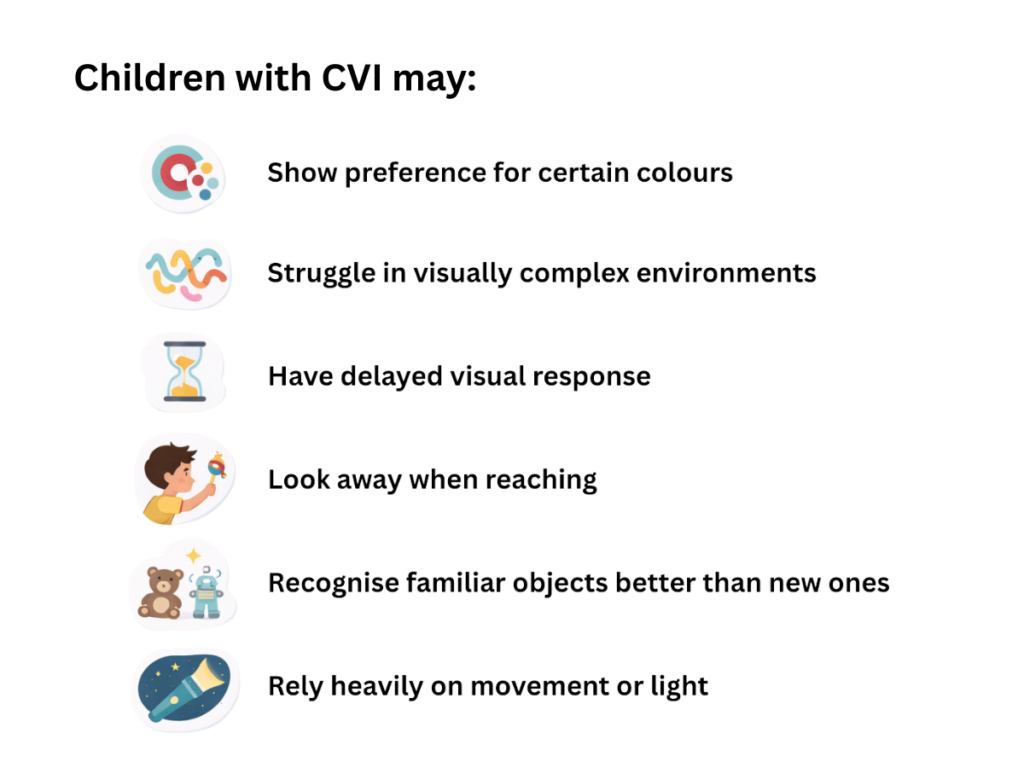
Common Characteristics
of CVI
Each child with CVI presents differently, and understanding their unique visual profile is essential.
Why Early Identification Matters
Research shows that early recognition and tailored environmental modifications can improve visual functioning over time [Ref 3].
When CVI is misunderstood or misdiagnosed, children may be labelled as inattentive, developmentally delayed, or behaviourally challenging.
Proper identification allows appropriate support strategies to be implemented at home and in school.


Understanding CVI in Malaysia
Awareness of CVI in Malaysia is still emerging. Although CVI is increasingly recognised globally, structured pathways for identification and intervention remain limited in many healthcare and education systems.
Parents often report delayed diagnosis, confusion between ocular and neurological visual issues, and limited access to functional vision assessment.
There is a growing need for:
• Greater awareness among healthcare professionals
• Collaboration between medical and education systems
• Structured early intervention guidance
• Parent education and support
By strengthening understanding of CVI in Malaysia, we can improve outcomes for children and reduce long-term developmental barriers.
You Are Not Alone
Each section is designed to guide you step by step. Click the RED BUTTON to continue.